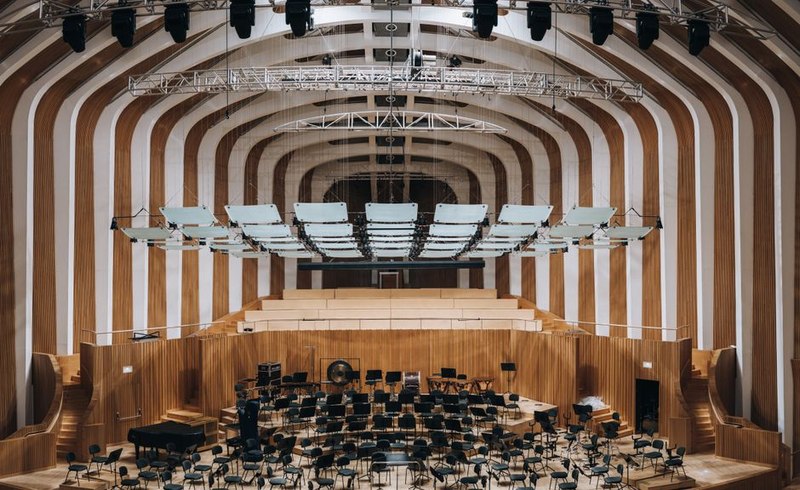
Yoko Shimomura and the Art of Restraint
A look at how Shimomura's understated string arrangements carry emotional weight without ever overplaying the moment, across three decades of scoring work.
From Hurghada, we dig into the leitmotifs, recording sessions, and composer legacies behind the music that scored our favorite worlds.
Explore the ScoresA few things readers often ask before diving into our reviews and composer profiles.
We listen for thematic cohesion across the full score, how well the leitmotifs track character or story arcs, the quality of the recording (live orchestra versus sampled), and whether the music holds up as a standalone listen outside the game.
Our focus leans orchestral, but we also cover hybrid scores that blend live instrumentation with synth or chiptune elements, since many composers move fluidly between those palettes across a single project.
No. We cover scores across generations, from early MIDI-driven orchestral approximations to modern sessions recorded with full philharmonic ensembles, tracing how composer approaches evolved with the technology available.
It's a longer-form profile tracing a composer's body of work over years or decades, looking at recurring motifs, stylistic shifts, and how their scoring choices influenced other composers working in gaming audio.
Yes, readers regularly point us toward overlooked scores. We keep a running list and prioritize titles with genuine compositional depth or an underappreciated composer behind them.
Revisit familiar soundtracks with fresh context on the composer's choices and craft.
Recent reviews and composer notes from our desk in Hurghada
A look at how Shimomura's understated string arrangements carry emotional weight without ever overplaying the moment, across three decades of scoring work.
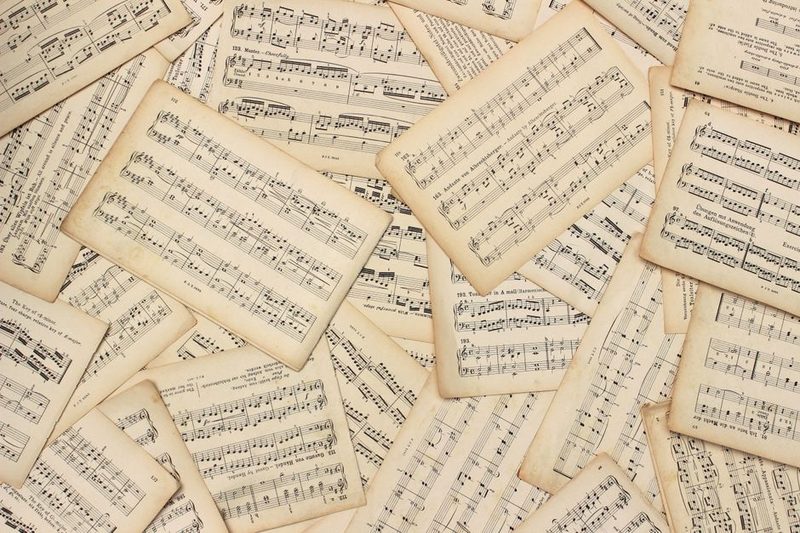
We break down the orchestral cues that shaped an entire era of RPG scoring, and why the main theme still gets covered by ensembles today.
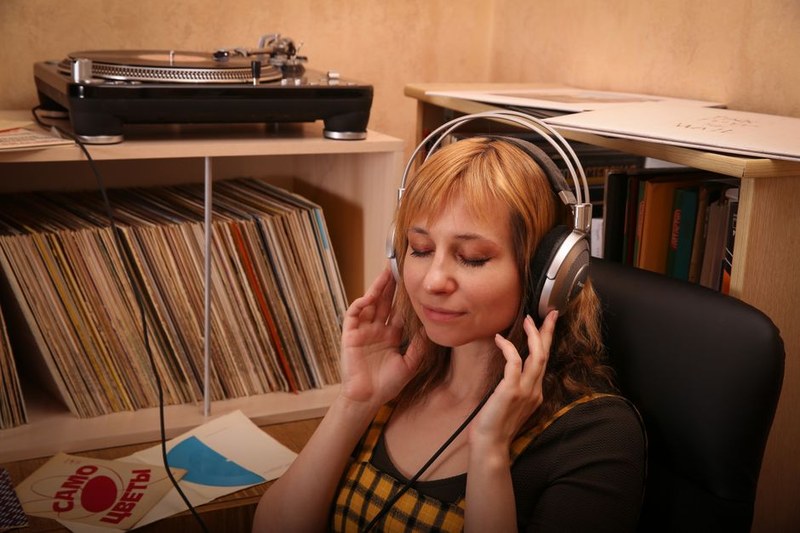
Notes on how a recent game score was tracked with a live chamber orchestra, and the editing choices made to fit music to interactive pacing.
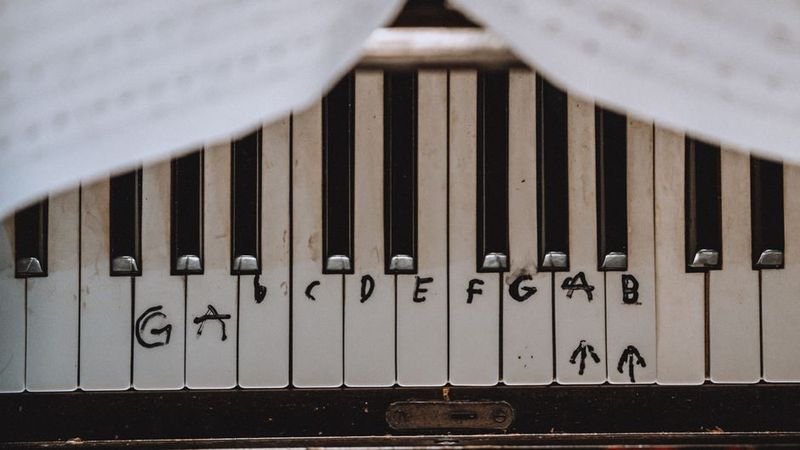
Tracing recurring rhythmic patterns across Sakuraba's catalog and how they became a signature even listeners may not consciously notice.

An essay on composers who use silence and sparse instrumentation as deliberately as a full orchestral swell, and what that choice communicates.
I've followed a lot of game music blogs and this is the first one that actually talks about orchestration choices instead of just saying a score is 'epic'. The Sakuraba piece changed how I listen to his rhythm section work.
Found this site while researching a composer for my thesis. The legacy profiles cite specific tracks and recording details I couldn't find anywhere else. Genuinely useful reference material, not just fan gushing.
The review of that live-orchestra recording session was the first time I understood why certain game scores feel so different from studio-sampled ones. Reread it twice, took notes honestly.
A rotating look at the orchestral work shaping how we think about game audio
Known for emotionally layered string writing that shifts between intimacy and grandeur, often within a single character theme.
A composer whose rhythmic ostinatos and driving orchestration became a recognizable fingerprint across multiple long-running RPG series.
A score frequently cited for blending folk instrumentation with orchestral arrangements to build a distinct sense of place and time.
Lesser-discussed tracks from his catalog reveal an experimental approach to layering percussion under orchestral melody lines.
The independent composer collective behind several notable orchestral scores, worth tracking for their collaborative approach to theme development.
An ongoing comparison thread we revisit often, examining how recording method changes the emotional read of the same composition.